-

 Large tree bundle contains 5 of each of the following species for a total of 20 trees
Tree Care InstructionsSwamp White Oak (Quercus bicolor) Details: - Height & Spread: Reaches 50 to 65 feet (occasionally up to 70–80 feet) tall with a matching crown spread of 40 to 60 feet.
- Growth Rate: Moderate (growing about 1 to 2 feet per year).
- Lifespan: Long-lived, often living 300 years or more.
- Leaves: Simple, alternate, pear-shaped or obovate (5–6 inches long) with wavy or shallowly lobed margins; glossy dark green above and fuzzy/silvery-white underneath (giving the species its name bicolor).
- Fall Color: Turns golden-brown, yellow, or coppery-bronze, with many leaves occasionally holding onto the branches into winter.
- Acorns: Roughly 1-inch-long acorns in thick, fringed caps, paired on long slender stalks (peduncles) measuring 2 to 4 inches.
- Bark: Grayish-brown and deeply fissured into broad ridges, with a distinctive ragged, peeling/shredding bark on the twigs and smaller branches.
- Landscape & Growing Conditions
- Hardiness: Hardy to USDA Zones 3 through 8 (surviving winter temperatures down to -40°F).
- Sunlight: Requires full sun.
- Soil & Water: Extremely adaptable to wet, poorly drained soils, rain gardens, and periodic flooding, yet also displays good drought tolerance once established.
- Soil pH Sensitivity: Prefers acidic soil; planting in alkaline or high-pH soils can trigger iron chlorosis (yellowing of the leaves).
- Urban Tolerance: Resilient to roadside salt, compacted soils, and urban landscaping conditions, though inner-city heavy pollution sites are best avoided.
Black Cherry (Prunus serotina) A native hardwood found in central and southeastern forests in Minnesota. Details: - Size: Grows 40 to 60 feet tall (sometimes up to 80 feet) in Minnesota.
- Bark: Smooth and reddish-brown with white horizontal lines on young trees; rough, dark brown, and broken into thick, scaly plates on older trunks.
- Leaves: Alternate, oval, shiny green, and finely toothed, turning brilliant yellow or red in autumn.
- Fruit: Drooping clusters of small, dark red-to-black cherries that taste tart or sour, ripening in late summer.
- Habitat: Thrives in well-drained, moist soils, often found in oak forests and disturbed habitats or open areas.
Hackberry (Celtis occidentalis) A tough, native deciduous tree in Minnesota that grows 50 to 70 feet tall and tolerates harsh urban conditions, drought, and clay soils. Details: - Size: Reaches 50 to 70 feet high with a spread of up to 50 feet.
- Bark: Features bumpy warts on young trunks that turn into prominent, cork-like ridges as the tree matures.
- Leaves and Fruit: Produces asymmetrical dark green leaves that turn yellow in fall, alongside small purple berry-like fruits (drupes) that feed local wildlife through winter.
- Growth Rate: Exhibits a medium to fast growth rate.
- Native Range: Found naturally in floodplains, southern Minnesota, and westward up the Red River Valley, though it adapts well across most Minnesota counties.
- Sun and Soil: Thrives in full sun to partial shade. It handles poor soils, clay, and occasional flooding or drought with ease.
- Planting Window: Plant in the spring after the ground thaws or in early fall (at least six weeks before the first hard freeze).
- Pros: Excellent shade tree, highly resistant to wind and salt, and a great food source for birds like cedar waxwings. It often replaced American elms lost to disease.
Black Walnut (Juglans nigra) A large, hardy native hardwood tree that reaches the northern edge of its natural range in southern and southeastern Minnesota. Details: - Size: Grows 50 to 75 feet tall (and occasionally up to 100 feet) with a wide, spreading crown.
- Hardiness: Thrives in USDA Zones 4 through 9, making it cold-tolerant for most of Minnesota.
- Leaves & Nuts: Features large compound leaves with many leaflets and produces edible, richly flavored nuts enclosed in a green husk that turns brown in the fall.
- Toxicity: The roots, leaves, and hulls contain a natural chemical called juglone, which can inhibit the growth of certain garden plants (like tomatoes and apples) planted directly underneath or near the canopy.
- Natural Range: Commonly found in moist, well-drained soils along streams, rivers, and mixed forests in the southern and twin-cities regions of the state.
- Urban & Northern Planting: Frequently planted as a shade tree in parks and urban landscapes further north, such as the Arrowhead region.
-
Out of stock
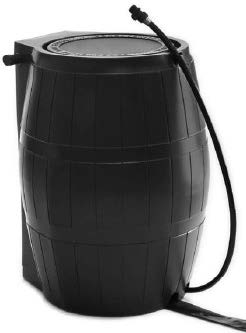 Black Rain Barrel $100+tax 45 gallon
- The aluminum mesh screen keeps out debris and mosquitoes to keep the waterclear and keep your family safe from insect borne illnesses.
- Includes debris screen, garden hose, shut-off thumb valve, hanging hose clip, overflow hose, and linking kit.
-
Out of stock
 Black Composter $80+tax
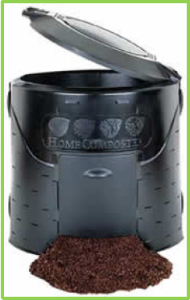 Specs: 33ʺD x 30ʺH, 17 cu ft or 125 gallon
• Sturdy, yet lightweight, 100% recycled plastic
• Wide opening, lockable top
• Two-piece construction for easy access
-
 One order treats 100 trees. Tree Care Instructions
-
 One order contains 25 flags.
-
25 brightly colored 36” flags used to mark and help you keep track of young trees in grassy areas.
-
-
 One order contains 25 packets.
- One tablet is dropped in the hole at the time of planting
- Nutrients are released slowly over a long period
-
 Root Dip treats 200 trees
- Helps retain moisture preventing tree loss due to dry conditions
- Mix with water & the roots are dipped into the mixture before planting
-

 Trees sold in bundles. One bundle contains approximately 25 trees
KEY * Native to Minnesota # Salt Tolerant Species ~ Do not plant under power lines Tree Care InstructionsAmerican Plum (Prunus americana) A hardy native Minnesota shrub or small tree that grows 10 to 25 feet tall and forms dense, wildlife-friendly thickets. - Seedling, 12"-18" height, and approximately 25 in a Bundle
- Spring Flowers: Fragrant, small white blossoms appear in May before the leaves emerge.
- Fruit: Edible red or purplish-red plums ripen in late summer (August to September), perfect for jams and jellies.
- Leaves and Twigs: Alternate, oval leaves have sharply toothed edges. Branches often feature stout, thorn-like side shoots.
- Growth Habit: Spreads aggressively via root suckers to create thickets that provide great cover for local birds and pollinators.
- Habitat: Naturally found in prairies, woodland edges, savannas, and along roadsides.
- Care: Thrives in full sun to part shade and prefers moist, well-drained soils, though it adapts well to drier upland conditions.
- Uses: Excellent for native ornamental landscaping, hedgerows, and wildlife or erosion-control plantings
-
 Trees sold in bundles. One bundle contains approximately 25 trees
KEY * Native to Minnesota # Salt Tolerant Species ~ Do not plant under power lines Tree Care InstructionsAmerican Basswood (Tilia americana) Also known as the American linden, is a large native deciduous tree common in Minnesota's rich hardwood forests. It features broad, heart-shaped leaves, fragrant pale-yellow summer flowers favored by bees, and soft, lightweight wood. - Seedling, 12"-18" height, and approximately 25 in a Bundle
- Size: Grows 60 to 100 feet tall with a dense, rounded crown.
- Leaves: 3 to 6 inches long, heart-shaped with finely toothed edges.
- Flowers: Fragrant, creamy-yellow clusters blooming in late June and July.
- Fruit: Small, nut-like drupes attached to a leafy, wing-like bract.
- Pollinators: Nicknamed the "bee-tree" because its abundant nectar produces a distinct, high-quality honey.
- Woodworking: Soft and uniform, making it a top choice for woodcarving, interior paneling, and sauna construction.
- Wildlife: Seeds and twigs feed local birds and small mammals, while the fibrous inner bark has historical uses in weaving
- Chocolate substitute: Unripe or ripe nutlets can be mashed or ground—historically combined with dried basswood flowers—to create a chocolate-flavored paste or powder.
- Roasted snacks: Green or mature-falling nutlets can be lightly roasted and sweetened to use in baking or desserts.
- Wildlife food: In the wild, the fallen autumn nutlets serve as a key food source for chipmunks, mice, squirrels, and rabbits
-
 Trees sold in bundles. One bundle contains approximately 25 trees
KEY * Native to Minnesota # Salt Tolerant Species ~ Do not plant under power lines Tree Care InstructionsRiver Birch (Betula nigra) A fast-growing, medium-to-large shade tree native to floodplain forests in southeastern Minnesota. - Seedling, 12"-18" height, and approximately 25 in a Bundle
- Size: Grows 50 to 75 feet tall and 35 to 50 feet wide.
- Bark: Distinctive peeling, papery bark in rich shades of cinnamon, salmon-pink, tan, and ivory.
- Leaves: Bright green in spring and summer, turning a soft gold in the fall.
- Lifespan: Typically lives for 50 to 70+ years under good conditions.
- Native Range: Found naturally along the Mississippi and Root River valleys in the southern part of the state.
- Hardiness: Thrives in USDA Zones 4 through 9 and tolerates summer heat well.
- Soil & Moisture: Prefers moist, acidic soils and tolerates wet sites or occasional standing water, though it can suffer from iron chlorosis (yellowing leaves) in high-pH or alkaline soils.
- Pest Resistance: Highly resistant to the bronze birch borer, which frequently attacks other birch species in urban landscapes.
-
 Trees sold in bundles. One bundle contains approximately 25 trees
KEY * Native to Minnesota # Salt Tolerant Species ~ Do not plant under power lines Tree Care InstructionsWhite Birch (Betula papyrifera) An iconic Minnesota native tree, commonly known as the white or canoe birch. - Seedling, 12"-18" height, and approximately 25 in a Bundle
- Bark: Thin, papery, bright white bark that exfoliates (peels) in horizontal strips, revealing a reddish-brown inner layer.
- Size: Grows 50 to 70 feet tall (sometimes up to 90 feet) with an open, irregular crown.
- Leaves: Oval or heart-shaped, doubly toothed, dark green in summer, and turning a bright golden-yellow in autumn.
- Habitat: Thrives primarily in Northern Minnesota forests, often springing up after large natural disturbances like fires or windstorms.
-
 Trees sold in bundles. One bundle contains approximately 25 trees
KEY * Native to Minnesota # Salt Tolerant Species ~ Do not plant under power lines Tree Care InstructionsHybrid Norway Poplar (populus deltoides) - Seedling, 18"-24" height, and approximately 25 in a Bundle
- Growth Rate: Grows at a remarkable 3 to 8 feet per year under optimal conditions.
- Size: Reaches a mature height of 40 to 60 feet and a width of 20 to 35 feet with a broad crown.
- Foliage: Features simple, triangular silvery-green leaves that turn yellow in the fall.
- Lifespan: Shorter-lived than many shade trees, typically lasting 30 to 40+ years.
- Hardiness: Thrives in USDA Zone 3 and handles cold northern winters well.
- Sunlight: Requires full sun.
- Soil & Water: Prefers moist clay loams or sandy loams (5.5 to 7.5 pH). It does not tolerate prolonged drought on upland sites and needs a reliable water table.
- Windbreaks & Privacy: Frequently planted for rapid visual screens, windbreaks, and property line buffers.
- Quick Shade: Ideal when you need immediate canopy coverage while slower-growing permanent trees establish.
- Biomass & Firewood: Popular for short-rotation sustainable firewood plots and biomass.
Phone: (651)-674-2333
