-
Out of stock
 One order contains 25 flags.
-
25 brightly colored 36” flags used to mark and help you keep track of young trees in grassy areas.
-
-
Out of stock
 Root Dip treats 200 trees
- Helps retain moisture preventing tree loss due to dry conditions
- Mix with water & the roots are dipped into the mixture before planting
-
Out of stock
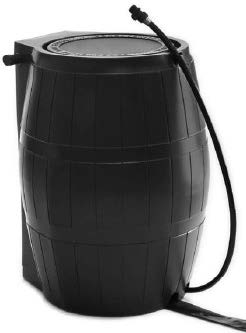 Black Rain Barrel $100+tax 45 gallon
- The aluminum mesh screen keeps out debris and mosquitoes to keep the waterclear and keep your family safe from insect borne illnesses.
- Includes debris screen, garden hose, shut-off thumb valve, hanging hose clip, overflow hose, and linking kit.
-
Out of stock
 One order treats 100 trees.
-
25 brightly colored 36” flags used to mark and help you keep track of young trees in grassy areas
-
-
Out of stock

 Trees sold in bundles. One bundle contains 25 trees
KEY * Native to Minnesota # Salt Tolerant Species ~ Do not plant under power lines Tree Care InstructionsNanking Cherry (Prunus tomentosa) An extremely cold-hardy, multi-stemmed fruiting shrub that grows 6 to 8 feet tall and wide, making it a great fit for Minnesota landscapes. Details: - Spring Blooms: Covered in fragrant, pinkish-white blossoms in early spring before the leaves emerge.
- Fruit: Produces small, bright red, tart-tangy cherries in late June or July that are ideal for jams, jellies, and pies.
- Hardiness: Thrives in USDA Zones 2–8, easily surviving harsh Minnesota winters.
- Sunlight: Plant in full sun for the highest fruit yield, though it tolerates partial shade.
- Soil: Prefers well-drained soil and adapts well to sandy loam or clay loam, but dislikes standing water.
- Pollination: While somewhat self-fertile, planting two or more bushes greatly improves fruit set and cross-pollination.
-
Out of stock
 Large tree bundle contains 5 of each of the following species for a total of 20 trees
Tree Care InstructionsSwamp White Oak (Quercus bicolor) Details: - Height & Spread: Reaches 50 to 65 feet (occasionally up to 70–80 feet) tall with a matching crown spread of 40 to 60 feet.
- Growth Rate: Moderate (growing about 1 to 2 feet per year).
- Lifespan: Long-lived, often living 300 years or more.
- Leaves: Simple, alternate, pear-shaped or obovate (5–6 inches long) with wavy or shallowly lobed margins; glossy dark green above and fuzzy/silvery-white underneath (giving the species its name bicolor).
- Fall Color: Turns golden-brown, yellow, or coppery-bronze, with many leaves occasionally holding onto the branches into winter.
- Acorns: Roughly 1-inch-long acorns in thick, fringed caps, paired on long slender stalks (peduncles) measuring 2 to 4 inches.
- Bark: Grayish-brown and deeply fissured into broad ridges, with a distinctive ragged, peeling/shredding bark on the twigs and smaller branches.
- Landscape & Growing Conditions
- Hardiness: Hardy to USDA Zones 3 through 8 (surviving winter temperatures down to -40°F).
- Sunlight: Requires full sun.
- Soil & Water: Extremely adaptable to wet, poorly drained soils, rain gardens, and periodic flooding, yet also displays good drought tolerance once established.
- Soil pH Sensitivity: Prefers acidic soil; planting in alkaline or high-pH soils can trigger iron chlorosis (yellowing of the leaves).
- Urban Tolerance: Resilient to roadside salt, compacted soils, and urban landscaping conditions, though inner-city heavy pollution sites are best avoided.
Black Cherry (Prunus serotina) A native hardwood found in central and southeastern forests in Minnesota. Details: - Size: Grows 40 to 60 feet tall (sometimes up to 80 feet) in Minnesota.
- Bark: Smooth and reddish-brown with white horizontal lines on young trees; rough, dark brown, and broken into thick, scaly plates on older trunks.
- Leaves: Alternate, oval, shiny green, and finely toothed, turning brilliant yellow or red in autumn.
- Fruit: Drooping clusters of small, dark red-to-black cherries that taste tart or sour, ripening in late summer.
- Habitat: Thrives in well-drained, moist soils, often found in oak forests and disturbed habitats or open areas.
Hackberry (Celtis occidentalis) A tough, native deciduous tree in Minnesota that grows 50 to 70 feet tall and tolerates harsh urban conditions, drought, and clay soils. Details: - Size: Reaches 50 to 70 feet high with a spread of up to 50 feet.
- Bark: Features bumpy warts on young trunks that turn into prominent, cork-like ridges as the tree matures.
- Leaves and Fruit: Produces asymmetrical dark green leaves that turn yellow in fall, alongside small purple berry-like fruits (drupes) that feed local wildlife through winter.
- Growth Rate: Exhibits a medium to fast growth rate.
- Native Range: Found naturally in floodplains, southern Minnesota, and westward up the Red River Valley, though it adapts well across most Minnesota counties.
- Sun and Soil: Thrives in full sun to partial shade. It handles poor soils, clay, and occasional flooding or drought with ease.
- Planting Window: Plant in the spring after the ground thaws or in early fall (at least six weeks before the first hard freeze).
- Pros: Excellent shade tree, highly resistant to wind and salt, and a great food source for birds like cedar waxwings. It often replaced American elms lost to disease.
Black Walnut (Juglans nigra) A large, hardy native hardwood tree that reaches the northern edge of its natural range in southern and southeastern Minnesota. Details: - Size: Grows 50 to 75 feet tall (and occasionally up to 100 feet) with a wide, spreading crown.
- Hardiness: Thrives in USDA Zones 4 through 9, making it cold-tolerant for most of Minnesota.
- Leaves & Nuts: Features large compound leaves with many leaflets and produces edible, richly flavored nuts enclosed in a green husk that turns brown in the fall.
- Toxicity: The roots, leaves, and hulls contain a natural chemical called juglone, which can inhibit the growth of certain garden plants (like tomatoes and apples) planted directly underneath or near the canopy.
- Natural Range: Commonly found in moist, well-drained soils along streams, rivers, and mixed forests in the southern and twin-cities regions of the state.
- Urban & Northern Planting: Frequently planted as a shade tree in parks and urban landscapes further north, such as the Arrowhead region.
-
Out of stock
 Trees sold in bundles. One bundle contains 25 trees
KEY * Native to Minnesota # Salt Tolerant Species ~ Do not plant under power lines Tree Care InstructionsJuneberry (Amelanchier alnifolia 'Regent') Also known as serviceberry or Saskatoon, it is a hardy native Minnesota plant that grows as a large multi-stemmed shrub or small tree producing edible, sweet fruit. Details: - Appearance: Grows 6 to 30 feet tall depending on the specific native species, featuring delicate white flowers in early spring.
- Fruit: Produces small, round berries that ripen to a deep purple or dark red in June and July. They taste sweet with a hint of almond or apple.
- Fall Color: Leaves turn vibrant yellow, orange, or red in autumn.
- Soil: Adapts well to various soils including clay, sand, and loam, though it prefers well-drained conditions.
- Sunlight: Thrives in full sun to partial shade.
- Wildlife: Attracts local birds, pollinators, and mammals that love the early summer fruit. You can learn more about local varieties through the UMN Extension Serviceberry Guide.
-
Out of stock
 One order contains 25 packets.
- One tablet is dropped in the hole at the time of planting
- Nutrients are released slowly over a long period
-
Out of stock
 Black Composter $80+tax
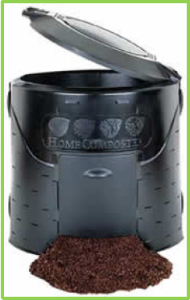 Specs: 33ʺD x 30ʺH, 17 cu ft or 125 gallon
• Sturdy, yet lightweight, 100% recycled plastic
• Wide opening, lockable top
• Two-piece construction for easy access
-
Out of stock
 Trees sold in bundles. One bundle contains 25 trees
KEY * Native to Minnesota # Salt Tolerant Species ~ Do not plant under power lines Tree Care InstructionsHybrid Norway Poplar (populus deltoides) Details: - Growth Rate: Grows at a remarkable 3 to 8 feet per year under optimal conditions.
- Size: Reaches a mature height of 40 to 60 feet and a width of 20 to 35 feet with a broad crown.
- Foliage: Features simple, triangular silvery-green leaves that turn yellow in the fall.
- Lifespan: Shorter-lived than many shade trees, typically lasting 30 to 40+ years.
- Hardiness: Thrives in USDA Zone 3 and handles cold northern winters well.
- Sunlight: Requires full sun.
- Soil & Water: Prefers moist clay loams or sandy loams (5.5 to 7.5 pH). It does not tolerate prolonged drought on upland sites and needs a reliable water table.
- Windbreaks & Privacy: Frequently planted for rapid visual screens, windbreaks, and property line buffers.
- Quick Shade: Ideal when you need immediate canopy coverage while slower-growing permanent trees establish.
- Biomass & Firewood: Popular for short-rotation sustainable firewood plots and biomass.
-
Out of stock
 Trees sold in bundles. One bundle contains 25 trees
KEY * Native to Minnesota # Salt Tolerant Species ~ Do not plant under power lines Tree Care InstructionsRosa Rugosa (Rugosa Rose) Also called the beach rose, it is a tough, hardy shrub that thrives in Minnesota's cold climate. Details: - Size: Grows 3 to 6 feet tall and equally wide.
- Flowers: Fragrant, large single or double blooms in pink, white, or red that appear from June through summer.
- Foliage: Dark green, wrinkled, leather-like leaves that turn yellow-orange in fall.
- Fruit: Large, edible red rose hips in late summer and autumn.
- Stems: Densely covered in sharp, needle-like prickles.
- Hardiness: Extremely cold-hardy (thrives in zones 2–7) and requires no winter cover.
- Tolerances: Highly resistant to road salt, drought, disease, and poor sandy soils.
- Maintenance: Needs full sun and average soil. It spreads easily via root suckers to form thick hedges, though opinions on pruning vary—some local gardeners find heavy pruning unnecessary due to their dense, wild growth. Note that it can escape cultivation and become aggressive in sandy natural areas.
-
Out of stock
 Trees sold in bundles. One bundle contains 25 trees
KEY * Native to Minnesota # Salt Tolerant Species ~ Do not plant under power lines Tree Care InstructionsCommon Lilac (Syringa vulgaris) A hardy, fragrant, spring-blooming deciduous shrub that thrives across Minnesota landscapes. Details: - Size: Grows 12 to 15 feet tall and about 10 to 12 feet wide with an upright, multi-stemmed habit.
- Flowers: Produces dense, 6- to 8-inch clusters of intensely fragrant purple, lavender, pink, or white flowers in mid-to-late May.
- Foliage: Dark green, heart-shaped or pointed-ovate leaves in opposite arrangements.
- Hardiness: Extremely cold-hardy, performing exceptionally well in USDA Zone 3 (and even Zone 2).
- Sunlight: Requires full sun (at least 6 hours of direct sunlight daily) for optimal blooming.
- Soil: Highly adaptable to various soils and performs very well in Minnesota’s slightly alkaline conditions.
- Pruning: Prune immediately after they finish flowering in late spring or early summer, because flower buds for the next year form on old wood. Avoid removing more than one-third of the shrub at a time.
- Maintenance: Deadhead spent flower clusters to encourage better growth and bloom production the following year.
-
Out of stock
 Trees sold in bundles. One bundle contains 25 trees
-
Details:Norway Spruce (Picea abies) A fast-growing, Non Native, it reaches 40 to 60 feet tall, features dark green needles with sweeping, drooping branches, and is widely planted for windbreaks, privacy screens, and landscape accents. - Hardiness: Fully cold-hardy down to -40°F (USDA Zones 3–7).
- Growth Rate: Fast, adding 1 to 2 feet of growth per year when young.
- Soil Requirements: Highly adaptable, tolerating heavy Minnesota clay-loams as well as loamy or sandy conditions.
- Sunlight: Best performance occurs in full sun (6+ hours daily).
- Deer Resistance: High; deer tend to avoid browsing mature Norway spruce due to the stiff, sharp needles.
- Spacing: Space trees 12 to 15 feet apart when creating a functional windbreak or privacy row.
-
-
Out of stock
 Trees sold in bundles. One bundle contains 25 trees
KEY * Native to Minnesota # Salt Tolerant Species ~ Do not plant under power lines Tree Care InstructionsBlack Hills Spruce (Picea glauca var. densata) An exceptionally hardy, dense evergreen tree widely used in Minnesota landscapes and windbreaks. It thrives across Minnesota's climate zones, typically reaching a mature height of 20 to 40 feet and a width of 10 to 15 feet. Details: - Appearance: Spire-like, pyramidal shape with dense, dark green to bluish-green needles.
- Growth Rate: Slow to moderate (about 6 to 12 inches per year), making it more manageable than larger spruce varieties.
- Hardiness: Highly cold-hardy (Zones 2–6), performing very well in harsh Minnesota winters.
- Uses: Excellent for privacy screens, residential windbreaks, or as a formal accent/specimen tree.
- Sunlight: Requires full sun (6+ hours of direct sunlight daily) to maintain its dense lower branch canopy.
- Soil & Water: Highly adaptable to various soils (from sand to clay) and reasonably drought-tolerant once established, though it dislikes standing water.
- Limitations: Intolerant of heavy road salt spray; avoid planting directly next to busy highways or treated driveways.
-
Out of stock
 Trees sold in bundles. One bundle contains 25 trees
KEY * Native to Minnesota # Salt Tolerant Species ~ Do not plant under power lines Tree Care InstructionsRedosier Dogwood (Cornus sericea) This is a tough, native Minnesota shrub famous for its bright red winter stems. Details: - Native Status: Native to Minnesota wetlands, shorelines, and damp woods.
- Size: Grows 3 to 10 feet tall and wide.
- Flowers & Fruit: Produces flat-topped white flower clusters in spring, followed by white or pale-blue berries that birds love.
- Winter Interest: Stems turn a striking, brilliant red during the dormant winter months.
- Sunlight: Thrives in full sun to partial shade (brightest red stems happen in full sun).
- Soil: Loves moist to wet soils; excellent for rain gardens, shorelines, and clay. It does not tolerate long dry spells well.
- Pruning: Cut back the oldest one-third of the stems to the ground every 1 to 2 years in late winter to encourage new shoots with the brightest red color.
-
Out of stock

 Trees sold in bundles. One bundle contains 25 trees
KEY * Native to Minnesota # Salt Tolerant Species ~ Do not plant under power lines Tree Care InstructionsElderberry (Sambucus canadensis) Common Elderberry (Black Elderberry) is an edible Native MN Species. Details: - Grows 5 to 12 feet tall. It blooms with flat white flower clusters in summer and produces edible black-purple berries. You can learn more details on the Minnesota Wildflowers guide. Stems have solid white pith.
- Hardiness: Highly cold-hardy and thrives in USDA Zones 3 through 9.
- Sunlight: Prefers full sun to partial shade.
- Soil: Thrives in moist, rich soils, but adapts well to various damp conditions.
- Wildlife Value: Flowers attract many pollinators, and birds enjoy the ripe fruit.
- Uses: Raw berries taste bitter. Cook them into syrups, jams, or teas for safe consumption and immune support
-
Out of stock

 Trees sold in bundles. One bundle contains 25 trees
KEY * Native to Minnesota # Salt Tolerant Species ~ Do not plant under power lines Tree Care InstructionsAmerican Plum (Prunus americana) A hardy native Minnesota shrub or small tree that grows 10 to 25 feet tall and forms dense, wildlife-friendly thickets. Details: - Spring Flowers: Fragrant, small white blossoms appear in May before the leaves emerge.
- Fruit: Edible red or purplish-red plums ripen in late summer (August to September), perfect for jams and jellies.
- Leaves and Twigs: Alternate, oval leaves have sharply toothed edges. Branches often feature stout, thorn-like side shoots.
- Growth Habit: Spreads aggressively via root suckers to create thickets that provide great cover for local birds and pollinators.
- Habitat: Naturally found in prairies, woodland edges, savannas, and along roadsides.
- Care: Thrives in full sun to part shade and prefers moist, well-drained soils, though it adapts well to drier upland conditions.
- Uses: Excellent for native ornamental landscaping, hedgerows, and wildlife or erosion-control plantings
-
Out of stock
 Trees sold in bundles. One bundle contains 25 trees
KEY * Native to Minnesota # Salt Tolerant Species ~ Do not plant under power lines Tree Care InstructionsAmerican Hazelnut (Corylus americana) A rugged, multi-stemmed deciduous shrub native to Minnesota that produces edible nuts and thrives in USDA Hardiness Zones 3 to 9. Details: - Size: Grows 8 to 16 feet tall and 8 to 13 feet wide, forming naturalized thickets via spreading rhizomes.
- Foliage: Simple, oval leaves with sharply double-toothed edges that turn golden-yellow to wine-red in the fall.
- Flowers: Monoecious plant featuring dangling yellowish-brown male catkins in early spring and tiny female flowers with bright red styles.
- Nut Production: Produces small, sweet, edible nuts in late summer enclosed in leafy, ruffled green husks that turn brown as they ripen.
- Sunlight: Prefers full sun to partial shade, though it tolerates heavy shade (fruit production is highest in sunny spots).
- Soil: Highly adaptable; it handles sandy, clay, or rocky soils as long as they are reasonably well-drained.
- Hardiness: Extremely cold-hardy and native to woodland borders, thickets, and savannas across Minnesota.
- Ecological Benefit: Provides critical food and dense cover for wild turkeys, deer, squirrels, and native birds.
- Landscaping: Excellent for hedgerows, property-line screens, native plant gardens, and restoration projects.
- Harvesting: The nuts are delicious (similar in flavor to commercial filberts, though smaller), but you often have to harvest them early before local squirrels take them.
-
Out of stock
 Trees sold in bundles. One bundle contains 25 trees.
Details:White Spruce (Picea glauca) A large native Minnesota conifer thriving across northern forests and extending south to the St. Croix Valley. Growing 40 to 80 feet tall, it features short blue-green needles, flaky gray bark, and high cold hardiness, making it popular for windbreaks.
KEY * Native to Minnesota # Salt Tolerant Species ~ Do not plant under power lines Tree Care Instructions· Soil & Sun: Prefers moist, well-drained loams and full sun, but adapts well to diverse soils and partial shade. · Needles: Single, four-sided, blue-green needles (1/3 to 3/4 inch long) that give off a skunky odor when crushed. · Cones: Cylindrical, brown, 1.25 to 2.5 inches long, hanging downward from twig tips. · Size: Pyramidal shape reaching 40–80 feet high and 10–20 feet wide at maturity. · Bark: Thin, gray-brown, and scaly on mature trunks. -
Out of stock
 Trees sold in bundles. One bundle contains 25 trees.
Details:White Pine (Pinus strobus) Minnesota's tallest conifer and a majestic native evergreen found widely across the state's northern and eastern forests.
KEY * Native to Minnesota # Salt Tolerant Species ~ Do not plant under power lines Tree Care Instructions- Needles: Soft, bluish-green, 2.5 to 5 inches long, and grouped in bundles of five.
- Size: Grows 80 to 100 feet tall (historical giants reached 150+ feet).
- Cones: Cylindrical and sticky, measuring 4 to 8 inches long.
- Bark: Smooth and greenish-gray on young trees, turning dark and deeply furrowed with age.
- Habitat: Thrives in well-drained, sandy or loamy soils. Prefers northern and central regions but extends down the Mississippi River valley.
- History: Heavily logged in the late 19th and early 20th centuries to build towns and cities, reducing historical populations by about 75%.
- Challenges: Young trees face severe threats from white pine blister rust, white pine weevils, and heavy deer browsing.
- Use bud capping on young saplings to protect new growth from hungry deer.
- Avoid planting in high-hazard zones prone to blister rust or areas with high salt spray (like busy roadways).
-
Out of stock
 Trees sold in bundles. One bundle contains 25 trees.
- Moderate growth rate, sandy loam through clay, and full to partial sun.
- Spacing within rows or plants in clumps: 8 – 16 Feet
- Full Grown Height (Dependent on Site): 30 – 60 Feet
-
Out of stock
 Trees sold in bundles. One bundle contains 25 trees
KEY * Native to Minnesota # Salt Tolerant Species ~ Do not plant under power lines Tree Care InstructionsSugar Maple (Acer saccharum) A native, large deciduous tree in Minnesota known for its brilliant fall colors and sap used for syrup. Details: - Size: Grows 40 to 80 feet tall with a 30 to 60-foot spread.
- Leaves: Simple, opposite leaves with 3 to 5 pointed, smooth-edged lobes. They turn bright scarlet, orange, and yellow in the autumn.
- Bark: Smooth and light gray-brown when young, turning dark gray with scaly plates on older trees.
- Seeds: U-shaped paired wings called samaras, or "helicopter" seeds.
- Location: A staple of Minnesota's eastern hardwood forests and the historic "Big Woods" region.
- Soil: Prefers rich, moist, and well-drained soils. It does not do well in compacted soils or areas with heavy road salt.
- Shade: Highly tolerant of shade, often forming a dense canopy.
-
Out of stock
Trees sold in bundles. One bundle contains 25 trees
KEY * Native to Minnesota # Salt Tolerant Species ~ Do not plant under power lines Tree Care InstructionsRiver Birch (Betula nigra) A fast-growing, medium-to-large shade tree native to floodplain forests in southeastern Minnesota. Details: - Size: Grows 50 to 75 feet tall and 35 to 50 feet wide.
- Bark: Distinctive peeling, papery bark in rich shades of cinnamon, salmon-pink, tan, and ivory.
- Leaves: Bright green in spring and summer, turning a soft gold in the fall.
- Lifespan: Typically lives for 50 to 70+ years under good conditions.
- Native Range: Found naturally along the Mississippi and Root River valleys in the southern part of the state.
- Hardiness: Thrives in USDA Zones 4 through 9 and tolerates summer heat well.
- Soil & Moisture: Prefers moist, acidic soils and tolerates wet sites or occasional standing water, though it can suffer from iron chlorosis (yellowing leaves) in high-pH or alkaline soils.
- Pest Resistance: Highly resistant to the bronze birch borer, which frequently attacks other birch species in urban landscapes.
-
Out of stock

 Trees sold in bundles. One bundle contains 25 trees
KEY * Native to Minnesota # Salt Tolerant Species ~ Do not plant under power lines Tree Care InstructionsRed Splendor Crabapple (Malus 'Red Splendor') A hardy, Minnesota-bred ornamental tree developed by Melvin Bergeson of Fertile, Minnesota. Details: - Size: Grows 20 to 25 feet tall with an equal spread.
- Flowers: Covered in deep rose-pink blossoms in early spring.
- Foliage: Glossy reddish-green leaves that turn a striking reddish-purple in the fall.
- Fruit: Produces small, bright red crabapples that persist through winter and rarely drop, making litter a non-issue while providing an excellent food source for wildlife.
- Hardiness: Thrives in USDA Zones 3–7, making it exceptionally cold-hardy for Minnesota winters.
- Sun: Prefers full sun.
- Soil: Adapts well to moist, well-drained soils, ranging from sandy loam to clay.
- Care: Generally low-maintenance
-
Out of stock

 Trees sold in bundles. One bundle contains 25 trees
Details:Red Oak (Quercus rubra) Northern Red Oak is a majestic, fast-growing native tree in Minnesota that thrives across the central, southern, and eastern parts of the state.
KEY * Native to Minnesota # Salt Tolerant Species ~ Do not plant under power lines Tree Care Instructions- Size: Grows 60 to 90 feet tall with a wide, rounded crown.
- Leaves: 4 to 8 inches long with 7 to 11 pointed, bristle-tipped lobes. They turn a brilliant antique red in autumn.
- Bark: Features dark grayish-brown ridges that often look like "ski tracks".
- Acorns: Large (3/4 to nearly 2 inches long) with a very shallow, flat-topped cap.
- Placement: Excellent for large lawns and parks in full sun, preferring well-drained, slightly acidic soils.
- Wildlife Value: Acorns provide vital winter food for deer, squirrels, and wild turkeys.
- Oak Wilt Warning: This species is highly susceptible to oak wilt fungus. Avoid pruning trees between April and June when sap beetles spread the disease.
-
Out of stock
 Trees sold in bundles. One bundle contains 25 trees
KEY * Native to Minnesota # Salt Tolerant Species ~ Do not plant under power lines Tree Care InstructionsRed Maple (Acer rubrum) A fast-growing, medium-to-large native tree in Minnesota, naturally found in the moist forests and wetlands of the central and northeastern parts of the state. It reaches 40 to 70 feet tall and is widely planted as a landscape or shade tree for its brilliant red autumn foliage. Details: - Natural distribution: Found across the eastern half of Minnesota, stretching west to a line from Mahnomen to Redwood Falls.
- Habitats: Common in moist woods, river floodplains, and swamps (often called swamp maple).
- Soil preference: Prefers moist, slightly acidic soils and struggles or shows chlorosis in heavily alkaline or dry, compacted urban soils.
- Size: 40–70 feet high with a 30–50 foot spread and a rounded crown.
- Appearance: Smooth light-gray bark on young stems turning dark gray and shaggy with age.
- Leaves: Simple, opposite, 3- to 5-lobed leaves that turn bright scarlet red or yellow in the fall.
- Flowers: Tiny red or magenta clusters that bloom early in spring before the leaves emerge.
- Hardiness: Extremely cold-hardy (down to Zone 3), especially northern-selected cultivars like 'Northwood'.
- Sunlight: Performs best in full sun to partial shade.
- Urban use: Popular as a yard or boulevard tree, though shallow roots can occasionally heave nearby sidewalks if planted too close. Guidance and maintenance tips are available via the University of Minnesota Extension.
-
Out of stock
 Trees sold in bundles. One bundle contains 25 trees
Details:Red Pine (Pinus resinosa) Widely known as the Norway pine, is a majestic evergreen conifer designated as Minnesota's official state tree in 1953. It is native to the northern and northeastern forests of the state, growing up to 120 feet tall with distinctive reddish-brown, scaly plate bark.
KEY * Native to Minnesota # Salt Tolerant Species ~ Do not plant under power lines Tree Care Instructions- Needles: Dark green, 4 to 6 inches long, growing in bundles of two to three. They have a unique trait: they snap or break cleanly when bent.
- Bark: Thick, reddish-brown plates that peel off in flakes as the tree matures.
- Trunk: Very straight and tall, typically bare of branches on the lower two-thirds of the trunk as it grows.
- Cones: Small, light brown oval cones about 2 inches long that mature over two years.
- Location: Common in northern and central Minnesota, especially on dry rocky ridges, sandy uplands, and managed pine plantations.
- Soil: Thrives in nutrient-poor, sandy, well-drained soils that other trees struggle to use.
- Sunlight: Requires full sun and has zero tolerance for shade.
- Timber: Yields hard, strong wood historically vital to Minnesota's logging industry for construction, utility poles, railroad ties, and pulpwood.
- Name Origin: Often called the Norway pine due to early settlers or explorers confusing it with European trees or mistaking the region's Scandinavian heritage.
-
Out of stock
 Trees sold in bundles. One bundle contains 25 trees
- Fast growing, soils sandy loam to silty clay, full to partial sun.
- Medium to large tree with nice form. Has bright yellow fall color.
- Grows in many different moisture regimes
- Spacing within rows or plants in clumps: 8 – 18 Feet
- Full Grown Height (Dependent on Site): 50 – 75 Feet
-
Out of stock
 Trees sold in bundles. One bundle contains 25 trees
KEY * Native to Minnesota # Salt Tolerant Species ~ Do not plant under power lines Tree Care InstructionsAmerican Basswood (Tilia americana) Also known as the American linden, is a large native deciduous tree common in Minnesota's rich hardwood forests. It features broad, heart-shaped leaves, fragrant pale-yellow summer flowers favored by bees, and soft, lightweight wood. Details: - Size: Grows 60 to 100 feet tall with a dense, rounded crown.
- Leaves: 3 to 6 inches long, heart-shaped with finely toothed edges.
- Flowers: Fragrant, creamy-yellow clusters blooming in late June and July.
- Fruit: Small, nut-like drupes attached to a leafy, wing-like bract.
- Pollinators: Nicknamed the "bee-tree" because its abundant nectar produces a distinct, high-quality honey.
- Woodworking: Soft and uniform, making it a top choice for woodcarving, interior paneling, and sauna construction.
- Wildlife: Seeds and twigs feed local birds and small mammals, while the fibrous inner bark has historical uses in weaving
- Chocolate substitute: Unripe or ripe nutlets can be mashed or ground—historically combined with dried basswood flowers—to create a chocolate-flavored paste or powder.
- Roasted snacks: Green or mature-falling nutlets can be lightly roasted and sweetened to use in baking or desserts.
- Wildlife food: In the wild, the fallen autumn nutlets serve as a key food source for chipmunks, mice, squirrels, and rabbits
-
Out of stock
 Trees sold in bundles. One bundle contains 25 trees
KEY * Native to Minnesota # Salt Tolerant Species ~ Do not plant under power lines Tree Care InstructionsBalsam Fir (Abies balsamea) Minnesota's only native fir tree, growing 40 to 60 feet tall with flat, fragrant needles and smooth bark featuring resin blisters. Details: - Tolerates shade well, grows in most soils
- Holiday Tradition: Celebrated as a quintessential Christmas tree and popular for festive boughs and wreaths due to long needle retention.
- Timber: Harvested for paper pulp and light framing lumber.
- Wildlife: Provides critical winter shelter and food browse for white-tailed deer, plus nesting cover for birds.
-
Out of stock
 Trees sold in bundles. One bundle contains 25 trees
KEY * Native to Minnesota # Salt Tolerant Species ~ Do not plant under power lines Tree Care InstructionsWhite Birch (Betula papyrifera) An iconic Minnesota native tree, commonly known as the white or canoe birch. Details: - Bark: Thin, papery, bright white bark that exfoliates (peels) in horizontal strips, revealing a reddish-brown inner layer.
- Size: Grows 50 to 70 feet tall (sometimes up to 90 feet) with an open, irregular crown.
- Leaves: Oval or heart-shaped, doubly toothed, dark green in summer, and turning a bright golden-yellow in autumn.
- Habitat: Thrives primarily in Northern Minnesota forests, often springing up after large natural disturbances like fires or windstorms.
-
Out of stock
 Trees sold in bundles. One bundle contains 25 trees
KEY * Native to Minnesota # Salt Tolerant Species ~ Do not plant under power lines Tree Care InstructionsWhite Oak (Quercus alba) A majestic, long-lived native deciduous tree in Minnesota, recognized by its pale gray scaly bark, deeply lobed rounded leaves, and slow growth rate. It reaches heights of 60 to 100 feet and provides vital food and shelter for local wildlife. Details: - Location: Most abundant in southeastern Minnesota and the Twin Cities metro area, extending partially toward Mille Lacs and St. Cloud.
- Ecosystem: Found in well-drained upland forests rather than fire-prone or wet lowland areas.
- Lifespan: Extremely long-lived, often exceeding 300 to 400 years.
- Leaves: 5 to 9 inches long with 5 to 9 rounded, finger-like lobes; they turn a striking purplish-red or deep burgundy in the fall and often hang on through mid-winter.
- Bark: Light gray and scaly with shallow fissures.
- Acorns: Light brown nuts (3/4 to 1 inch long) enclosed in a bowl-shaped cap covering about one-fourth of the seed.
- Sunlight: Requires full sun for optimal growth.
- Soil: Prefers acidic to neutral, well-drained soils, though it adapts well to various upland conditions.
- Planting Window: Best planted in spring (late April–May) or early fall (September–mid-October) to let roots establish before extreme temperatures.
- Transplanting: Young container-grown trees or small saplings do best because white oaks have sensitive root systems that resent disturbance.
-
Out of stock

 Trees sold in bundles. One bundle contains 25 trees
KEY * Native to Minnesota # Salt Tolerant Species ~ Do not plant under power lines Tree Care InstructionsTamarack (Larix laricina) Also called the eastern larch, is a native Minnesota coniferous tree famous for being the state's only conifer that turns brilliant gold and drops its needles every autumn. They thrive heavily in northern bogs and wet swamps but can also be found in urban or suburban areas. Details: - Type: Deciduous conifer (loses needles in winter).
- Size: 40 to 80 feet tall.
- Needles: Soft green in summer, turning bright yellow-gold in October before falling.
- Habitat: Bogs, peatlands, and wet lowlands.
Phone: (651)-674-2333
