-
 One order contains 25 flags.
-
25 brightly colored 36” flags used to mark and help you keep track of young trees in grassy areas.
-
-
 Root Dip treats 200 trees
- Helps retain moisture preventing tree loss due to dry conditions
- Mix with water & the roots are dipped into the mixture before planting
-
Out of stock
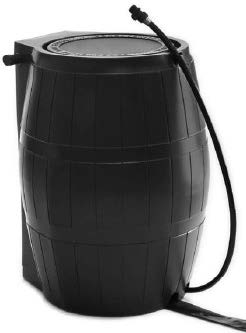 Black Rain Barrel $100+tax 45 gallon
- The aluminum mesh screen keeps out debris and mosquitoes to keep the waterclear and keep your family safe from insect borne illnesses.
- Includes debris screen, garden hose, shut-off thumb valve, hanging hose clip, overflow hose, and linking kit.
-
 One order treats 100 trees. Tree Care Instructions
-

 Trees sold in bundles. One bundle contains approximately 25 trees
KEY * Native to Minnesota # Salt Tolerant Species ~ Do not plant under power lines Tree Care InstructionsNanking Cherry (Prunus tomentosa) An extremely cold-hardy, multi-stemmed fruiting shrub that grows 6 to 8 feet tall and wide, making it a great fit for Minnesota landscapes. - Seedling, 12"-18" height, and approximately 25 in a Bundle
- Spring Blooms: Covered in fragrant, pinkish-white blossoms in early spring before the leaves emerge.
- Fruit: Produces small, bright red, tart-tangy cherries in late June or July that are ideal for jams, jellies, and pies.
- Hardiness: Thrives in USDA Zones 2–8, easily surviving harsh Minnesota winters.
- Sunlight: Plant in full sun for the highest fruit yield, though it tolerates partial shade.
- Soil: Prefers well-drained soil and adapts well to sandy loam or clay loam, but dislikes standing water.
- Pollination: While somewhat self-fertile, planting two or more bushes greatly improves fruit set and cross-pollination.
-

 Large tree bundle contains 5 of each of the following species for a total of 20 trees
Tree Care InstructionsSwamp White Oak (Quercus bicolor) Details: - Height & Spread: Reaches 50 to 65 feet (occasionally up to 70–80 feet) tall with a matching crown spread of 40 to 60 feet.
- Growth Rate: Moderate (growing about 1 to 2 feet per year).
- Lifespan: Long-lived, often living 300 years or more.
- Leaves: Simple, alternate, pear-shaped or obovate (5–6 inches long) with wavy or shallowly lobed margins; glossy dark green above and fuzzy/silvery-white underneath (giving the species its name bicolor).
- Fall Color: Turns golden-brown, yellow, or coppery-bronze, with many leaves occasionally holding onto the branches into winter.
- Acorns: Roughly 1-inch-long acorns in thick, fringed caps, paired on long slender stalks (peduncles) measuring 2 to 4 inches.
- Bark: Grayish-brown and deeply fissured into broad ridges, with a distinctive ragged, peeling/shredding bark on the twigs and smaller branches.
- Landscape & Growing Conditions
- Hardiness: Hardy to USDA Zones 3 through 8 (surviving winter temperatures down to -40°F).
- Sunlight: Requires full sun.
- Soil & Water: Extremely adaptable to wet, poorly drained soils, rain gardens, and periodic flooding, yet also displays good drought tolerance once established.
- Soil pH Sensitivity: Prefers acidic soil; planting in alkaline or high-pH soils can trigger iron chlorosis (yellowing of the leaves).
- Urban Tolerance: Resilient to roadside salt, compacted soils, and urban landscaping conditions, though inner-city heavy pollution sites are best avoided.
Black Cherry (Prunus serotina) A native hardwood found in central and southeastern forests in Minnesota. Details: - Size: Grows 40 to 60 feet tall (sometimes up to 80 feet) in Minnesota.
- Bark: Smooth and reddish-brown with white horizontal lines on young trees; rough, dark brown, and broken into thick, scaly plates on older trunks.
- Leaves: Alternate, oval, shiny green, and finely toothed, turning brilliant yellow or red in autumn.
- Fruit: Drooping clusters of small, dark red-to-black cherries that taste tart or sour, ripening in late summer.
- Habitat: Thrives in well-drained, moist soils, often found in oak forests and disturbed habitats or open areas.
Hackberry (Celtis occidentalis) A tough, native deciduous tree in Minnesota that grows 50 to 70 feet tall and tolerates harsh urban conditions, drought, and clay soils. Details: - Size: Reaches 50 to 70 feet high with a spread of up to 50 feet.
- Bark: Features bumpy warts on young trunks that turn into prominent, cork-like ridges as the tree matures.
- Leaves and Fruit: Produces asymmetrical dark green leaves that turn yellow in fall, alongside small purple berry-like fruits (drupes) that feed local wildlife through winter.
- Growth Rate: Exhibits a medium to fast growth rate.
- Native Range: Found naturally in floodplains, southern Minnesota, and westward up the Red River Valley, though it adapts well across most Minnesota counties.
- Sun and Soil: Thrives in full sun to partial shade. It handles poor soils, clay, and occasional flooding or drought with ease.
- Planting Window: Plant in the spring after the ground thaws or in early fall (at least six weeks before the first hard freeze).
- Pros: Excellent shade tree, highly resistant to wind and salt, and a great food source for birds like cedar waxwings. It often replaced American elms lost to disease.
Black Walnut (Juglans nigra) A large, hardy native hardwood tree that reaches the northern edge of its natural range in southern and southeastern Minnesota. Details: - Size: Grows 50 to 75 feet tall (and occasionally up to 100 feet) with a wide, spreading crown.
- Hardiness: Thrives in USDA Zones 4 through 9, making it cold-tolerant for most of Minnesota.
- Leaves & Nuts: Features large compound leaves with many leaflets and produces edible, richly flavored nuts enclosed in a green husk that turns brown in the fall.
- Toxicity: The roots, leaves, and hulls contain a natural chemical called juglone, which can inhibit the growth of certain garden plants (like tomatoes and apples) planted directly underneath or near the canopy.
- Natural Range: Commonly found in moist, well-drained soils along streams, rivers, and mixed forests in the southern and twin-cities regions of the state.
- Urban & Northern Planting: Frequently planted as a shade tree in parks and urban landscapes further north, such as the Arrowhead region.
-
 Trees sold in bundles. One bundle contains approximately 25 trees
KEY * Native to Minnesota # Salt Tolerant Species ~ Do not plant under power lines Tree Care InstructionsJuneberry (Amelanchier alnifolia 'Regent') Also known as serviceberry or Saskatoon, it is a hardy native Minnesota plant that grows as a large multi-stemmed shrub or small tree producing edible, sweet fruit. - Seedling, 12"-18" height, and approximately 25 in a Bundle
- Appearance: Grows 6 to 30 feet tall depending on the specific native species, featuring delicate white flowers in early spring.
- Fruit: Produces small, round berries that ripen to a deep purple or dark red in June and July. They taste sweet with a hint of almond or apple.
- Fall Color: Leaves turn vibrant yellow, orange, or red in autumn.
- Soil: Adapts well to various soils including clay, sand, and loam, though it prefers well-drained conditions.
- Sunlight: Thrives in full sun to partial shade.
- Wildlife: Attracts local birds, pollinators, and mammals that love the early summer fruit. You can learn more about local varieties through the UMN Extension Serviceberry Guide.
-
 One order contains 25 packets.
- One tablet is dropped in the hole at the time of planting
- Nutrients are released slowly over a long period
-
Out of stock
 Black Composter $80+tax
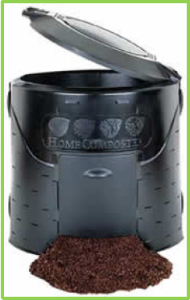 Specs: 33ʺD x 30ʺH, 17 cu ft or 125 gallon
• Sturdy, yet lightweight, 100% recycled plastic
• Wide opening, lockable top
• Two-piece construction for easy access
-
 Trees sold in bundles. One bundle contains approximately 25 trees
KEY * Native to Minnesota # Salt Tolerant Species ~ Do not plant under power lines Tree Care InstructionsHybrid Norway Poplar (populus deltoides) - Seedling, 18"-24" height, and approximately 25 in a Bundle
- Growth Rate: Grows at a remarkable 3 to 8 feet per year under optimal conditions.
- Size: Reaches a mature height of 40 to 60 feet and a width of 20 to 35 feet with a broad crown.
- Foliage: Features simple, triangular silvery-green leaves that turn yellow in the fall.
- Lifespan: Shorter-lived than many shade trees, typically lasting 30 to 40+ years.
- Hardiness: Thrives in USDA Zone 3 and handles cold northern winters well.
- Sunlight: Requires full sun.
- Soil & Water: Prefers moist clay loams or sandy loams (5.5 to 7.5 pH). It does not tolerate prolonged drought on upland sites and needs a reliable water table.
- Windbreaks & Privacy: Frequently planted for rapid visual screens, windbreaks, and property line buffers.
- Quick Shade: Ideal when you need immediate canopy coverage while slower-growing permanent trees establish.
- Biomass & Firewood: Popular for short-rotation sustainable firewood plots and biomass.
-
 Trees sold in bundles. One bundle contains approximately 25 trees
KEY * Native to Minnesota # Salt Tolerant Species ~ Do not plant under power lines Tree Care InstructionsRosa Rugosa (Rugosa Rose) Also called the beach rose, it is a tough, hardy shrub that thrives in Minnesota's cold climate. - Seedling, 12"-18" height, and approximately 25 in a Bundle
- Size: Grows 3 to 6 feet tall and equally wide.
- Flowers: Fragrant, large single or double blooms in pink, white, or red that appear from June through summer.
- Foliage: Dark green, wrinkled, leather-like leaves that turn yellow-orange in fall.
- Fruit: Large, edible red rose hips in late summer and autumn.
- Stems: Densely covered in sharp, needle-like prickles.
- Hardiness: Extremely cold-hardy (thrives in zones 2–7) and requires no winter cover.
- Tolerances: Highly resistant to road salt, drought, disease, and poor sandy soils.
- Maintenance: Needs full sun and average soil. It spreads easily via root suckers to form thick hedges, though opinions on pruning vary—some local gardeners find heavy pruning unnecessary due to their dense, wild growth. Note that it can escape cultivation and become aggressive in sandy natural areas.
-
 Trees sold in bundles. One bundle contains approximately 25 trees
KEY * Native to Minnesota # Salt Tolerant Species ~ Do not plant under power lines Tree Care InstructionsCommon Lilac (Syringa vulgaris) A hardy, fragrant, spring-blooming deciduous shrub that thrives across Minnesota landscapes. - Seedling, 12"-18" height, and approximately 25 in a Bundle
- Size: Grows 12 to 15 feet tall and about 10 to 12 feet wide with an upright, multi-stemmed habit.
- Flowers: Produces dense, 6- to 8-inch clusters of intensely fragrant purple, lavender, pink, or white flowers in mid-to-late May.
- Foliage: Dark green, heart-shaped or pointed-ovate leaves in opposite arrangements.
- Hardiness: Extremely cold-hardy, performing exceptionally well in USDA Zone 3 (and even Zone 2).
- Sunlight: Requires full sun (at least 6 hours of direct sunlight daily) for optimal blooming.
- Soil: Highly adaptable to various soils and performs very well in Minnesota’s slightly alkaline conditions.
- Pruning: Prune immediately after they finish flowering in late spring or early summer, because flower buds for the next year form on old wood. Avoid removing more than one-third of the shrub at a time.
- Maintenance: Deadhead spent flower clusters to encourage better growth and bloom production the following year.
Phone: (651)-674-2333
