
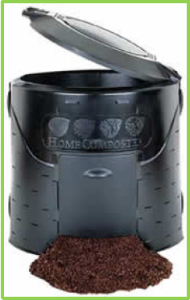
 Specs: 33ʺD x 30ʺH, 17 cu ft or 125 gallon
• Sturdy, yet lightweight, 100% recycled plastic
• Wide opening, lockable top
• Two-piece construction for easy access
-
Out of stock
 Black Composter $80+tax
Specs: 33ʺD x 30ʺH, 17 cu ft or 125 gallon
• Sturdy, yet lightweight, 100% recycled plastic
• Wide opening, lockable top
• Two-piece construction for easy access
-
 One order contains 25 packets.
- One tablet is dropped in the hole at the time of planting
- Nutrients are released slowly over a long period
-
 Trees sold in bundles. One bundle contains approximately 25 trees
KEY * Native to Minnesota # Salt Tolerant Species ~ Do not plant under power lines Tree Care InstructionsJuneberry (Amelanchier alnifolia 'Regent') Also known as serviceberry or Saskatoon, it is a hardy native Minnesota plant that grows as a large multi-stemmed shrub or small tree producing edible, sweet fruit. - Seedling, 12"-18" height, and approximately 25 in a Bundle
- Appearance: Grows 6 to 30 feet tall depending on the specific native species, featuring delicate white flowers in early spring.
- Fruit: Produces small, round berries that ripen to a deep purple or dark red in June and July. They taste sweet with a hint of almond or apple.
- Fall Color: Leaves turn vibrant yellow, orange, or red in autumn.
- Soil: Adapts well to various soils including clay, sand, and loam, though it prefers well-drained conditions.
- Sunlight: Thrives in full sun to partial shade.
- Wildlife: Attracts local birds, pollinators, and mammals that love the early summer fruit. You can learn more about local varieties through the UMN Extension Serviceberry Guide.
-

 Large tree bundle contains 5 of each of the following species for a total of 20 trees
Tree Care InstructionsSwamp White Oak (Quercus bicolor) Details: - Height & Spread: Reaches 50 to 65 feet (occasionally up to 70–80 feet) tall with a matching crown spread of 40 to 60 feet.
- Growth Rate: Moderate (growing about 1 to 2 feet per year).
- Lifespan: Long-lived, often living 300 years or more.
- Leaves: Simple, alternate, pear-shaped or obovate (5–6 inches long) with wavy or shallowly lobed margins; glossy dark green above and fuzzy/silvery-white underneath (giving the species its name bicolor).
- Fall Color: Turns golden-brown, yellow, or coppery-bronze, with many leaves occasionally holding onto the branches into winter.
- Acorns: Roughly 1-inch-long acorns in thick, fringed caps, paired on long slender stalks (peduncles) measuring 2 to 4 inches.
- Bark: Grayish-brown and deeply fissured into broad ridges, with a distinctive ragged, peeling/shredding bark on the twigs and smaller branches.
- Landscape & Growing Conditions
- Hardiness: Hardy to USDA Zones 3 through 8 (surviving winter temperatures down to -40°F).
- Sunlight: Requires full sun.
- Soil & Water: Extremely adaptable to wet, poorly drained soils, rain gardens, and periodic flooding, yet also displays good drought tolerance once established.
- Soil pH Sensitivity: Prefers acidic soil; planting in alkaline or high-pH soils can trigger iron chlorosis (yellowing of the leaves).
- Urban Tolerance: Resilient to roadside salt, compacted soils, and urban landscaping conditions, though inner-city heavy pollution sites are best avoided.
Black Cherry (Prunus serotina) A native hardwood found in central and southeastern forests in Minnesota. Details: - Size: Grows 40 to 60 feet tall (sometimes up to 80 feet) in Minnesota.
- Bark: Smooth and reddish-brown with white horizontal lines on young trees; rough, dark brown, and broken into thick, scaly plates on older trunks.
- Leaves: Alternate, oval, shiny green, and finely toothed, turning brilliant yellow or red in autumn.
- Fruit: Drooping clusters of small, dark red-to-black cherries that taste tart or sour, ripening in late summer.
- Habitat: Thrives in well-drained, moist soils, often found in oak forests and disturbed habitats or open areas.
Hackberry (Celtis occidentalis) A tough, native deciduous tree in Minnesota that grows 50 to 70 feet tall and tolerates harsh urban conditions, drought, and clay soils. Details: - Size: Reaches 50 to 70 feet high with a spread of up to 50 feet.
- Bark: Features bumpy warts on young trunks that turn into prominent, cork-like ridges as the tree matures.
- Leaves and Fruit: Produces asymmetrical dark green leaves that turn yellow in fall, alongside small purple berry-like fruits (drupes) that feed local wildlife through winter.
- Growth Rate: Exhibits a medium to fast growth rate.
- Native Range: Found naturally in floodplains, southern Minnesota, and westward up the Red River Valley, though it adapts well across most Minnesota counties.
- Sun and Soil: Thrives in full sun to partial shade. It handles poor soils, clay, and occasional flooding or drought with ease.
- Planting Window: Plant in the spring after the ground thaws or in early fall (at least six weeks before the first hard freeze).
- Pros: Excellent shade tree, highly resistant to wind and salt, and a great food source for birds like cedar waxwings. It often replaced American elms lost to disease.
Black Walnut (Juglans nigra) A large, hardy native hardwood tree that reaches the northern edge of its natural range in southern and southeastern Minnesota. Details: - Size: Grows 50 to 75 feet tall (and occasionally up to 100 feet) with a wide, spreading crown.
- Hardiness: Thrives in USDA Zones 4 through 9, making it cold-tolerant for most of Minnesota.
- Leaves & Nuts: Features large compound leaves with many leaflets and produces edible, richly flavored nuts enclosed in a green husk that turns brown in the fall.
- Toxicity: The roots, leaves, and hulls contain a natural chemical called juglone, which can inhibit the growth of certain garden plants (like tomatoes and apples) planted directly underneath or near the canopy.
- Natural Range: Commonly found in moist, well-drained soils along streams, rivers, and mixed forests in the southern and twin-cities regions of the state.
- Urban & Northern Planting: Frequently planted as a shade tree in parks and urban landscapes further north, such as the Arrowhead region.
-

 Trees sold in bundles. One bundle contains approximately 25 trees
KEY * Native to Minnesota # Salt Tolerant Species ~ Do not plant under power lines Tree Care InstructionsNanking Cherry (Prunus tomentosa) An extremely cold-hardy, multi-stemmed fruiting shrub that grows 6 to 8 feet tall and wide, making it a great fit for Minnesota landscapes. - Seedling, 12"-18" height, and approximately 25 in a Bundle
- Spring Blooms: Covered in fragrant, pinkish-white blossoms in early spring before the leaves emerge.
- Fruit: Produces small, bright red, tart-tangy cherries in late June or July that are ideal for jams, jellies, and pies.
- Hardiness: Thrives in USDA Zones 2–8, easily surviving harsh Minnesota winters.
- Sunlight: Plant in full sun for the highest fruit yield, though it tolerates partial shade.
- Soil: Prefers well-drained soil and adapts well to sandy loam or clay loam, but dislikes standing water.
- Pollination: While somewhat self-fertile, planting two or more bushes greatly improves fruit set and cross-pollination.
-
 One order treats 100 trees. Tree Care Instructions
-
Out of stock
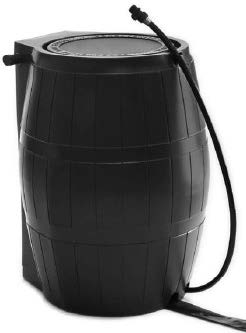 Black Rain Barrel $100+tax 45 gallon
- The aluminum mesh screen keeps out debris and mosquitoes to keep the waterclear and keep your family safe from insect borne illnesses.
- Includes debris screen, garden hose, shut-off thumb valve, hanging hose clip, overflow hose, and linking kit.
-
 Root Dip treats 200 trees
- Helps retain moisture preventing tree loss due to dry conditions
- Mix with water & the roots are dipped into the mixture before planting
-
 One order contains 25 flags.
-
25 brightly colored 36” flags used to mark and help you keep track of young trees in grassy areas.
-